Sijimali Erupts: Jairam Ramesh Flags Tribal Rights Violations, Odisha Govt Under Fire
From The Editor's Desk
April 28, 2026
| Article by : Abhishek Mahananda
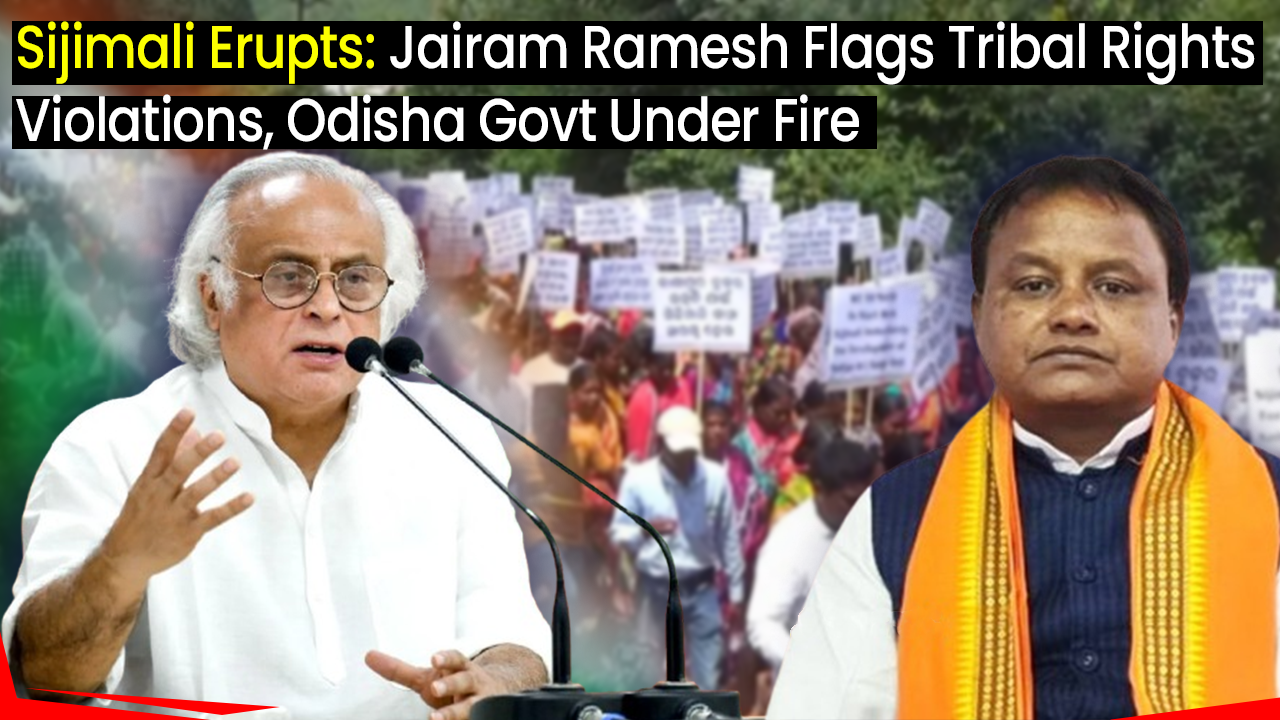
Senior Congress leader Jairam Ramesh has sharply criticized the Odisha government over the unfolding situation in Sijimali, alleging serious violations of tribal rights and constitutional safeguards in the proposed bauxite mining project spread across Rayagada and Kalahandi districts.
In a strongly worded post on X, Jairam Ramesh said Odisha has a long history of tribal resistance whenever mining projects are pushed through without respecting legal and constitutional protections. Drawing attention to Sijimali, he alleged that provisions of the Panchayat (Extension to Scheduled Areas) Act, 1996, and the Forest Rights Act, 2006, may have been bypassed in the approval process.
He also expressed concern over reports of police action against protesting tribal communities, particularly women, calling for accountability and an independent inquiry into the recent unrest.
Echoes of Niyamgiri
Jairam Ramesh's intervention carries particular significance given his role during the historic Niyamgiri movement. As Union Environment Minister, he played a decisive role in ensuring that the voices of the Dongria Kondh community were heard and that Gram Sabhas were empowered to decide the fate of the proposed mining project.
That decision became a landmark moment in India's environmental and tribal rights history.
The developments in Sijimali are already drawing comparisons with Niyamgiri, where local communities successfully defended their land and cultural identity through democratic and legal means.
BJP Government Faces Tough Questions
The Odisha BJP government now finds itself under increasing scrutiny. Critics argue that instead of engaging transparently with affected communities, the administration allowed tensions to escalate.
The controversy is particularly sensitive as Odisha's Chief Minister himself comes from a tribal background. Opposition leaders have questioned whether the state has adequately protected the rights and dignity of tribal communities.
Development, experts say, must be rooted in consultation, consent, and constitutional compliance—not confrontation.
Call for Central Intervention
Jairam Ramesh has urged Union Tribal Affairs Minister Jual Oram to immediately intervene and ensure that both PESA and the Forest Rights Act are implemented in letter and spirit.
He has also demanded a credible, transparent, and independent inquiry into the alleged police excesses during the protests.
Could Rahul Gandhi Step In?
Political observers believe that if the situation continues to intensify, Congress leader Rahul Gandhi could personally join the movement.
Rahul Gandhi has consistently positioned himself as a strong advocate for tribal rights, social justice, and constitutional protections. His involvement would significantly elevate the issue to the national stage.
A Defining Moment
Sijimali is rapidly emerging as more than just a local mining dispute. It has become a larger debate about tribal rights, environmental justice, and the balance between development and democracy.
As protests grow and political temperatures rise, the Odisha government's next steps will be closely watched—not only in the state but across the country.
For Odisha, Sijimali may well become another defining chapter in its long struggle between natural resource extraction and indigenous rights.