
Global Internet at Risk: Concern Over Damage to Submarine Cables in the Strait of Hormuz
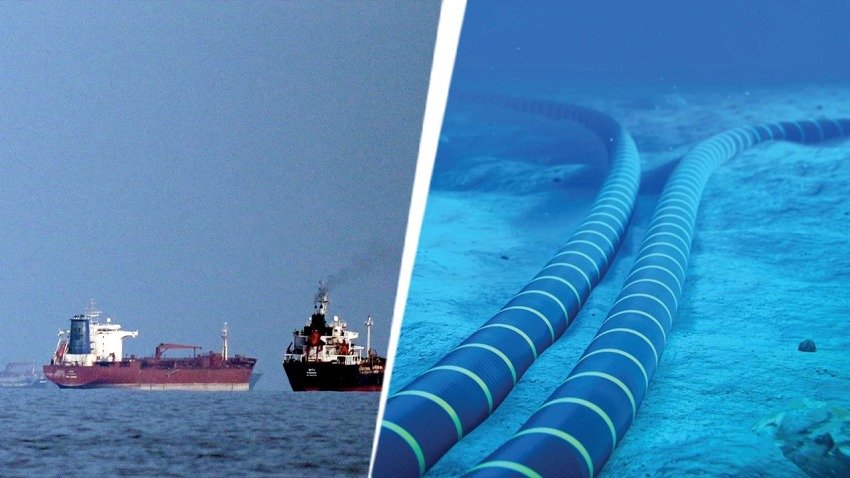
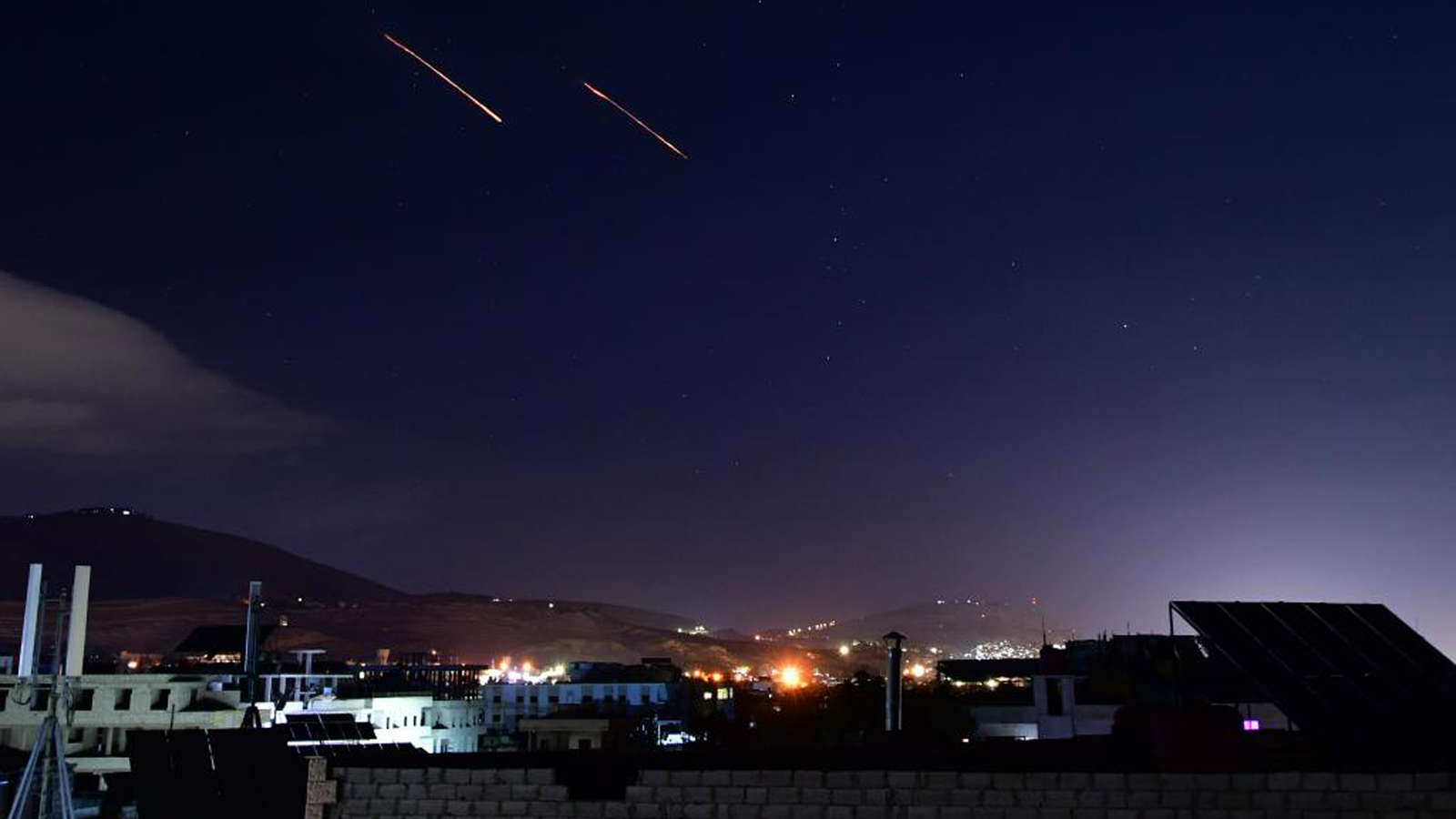
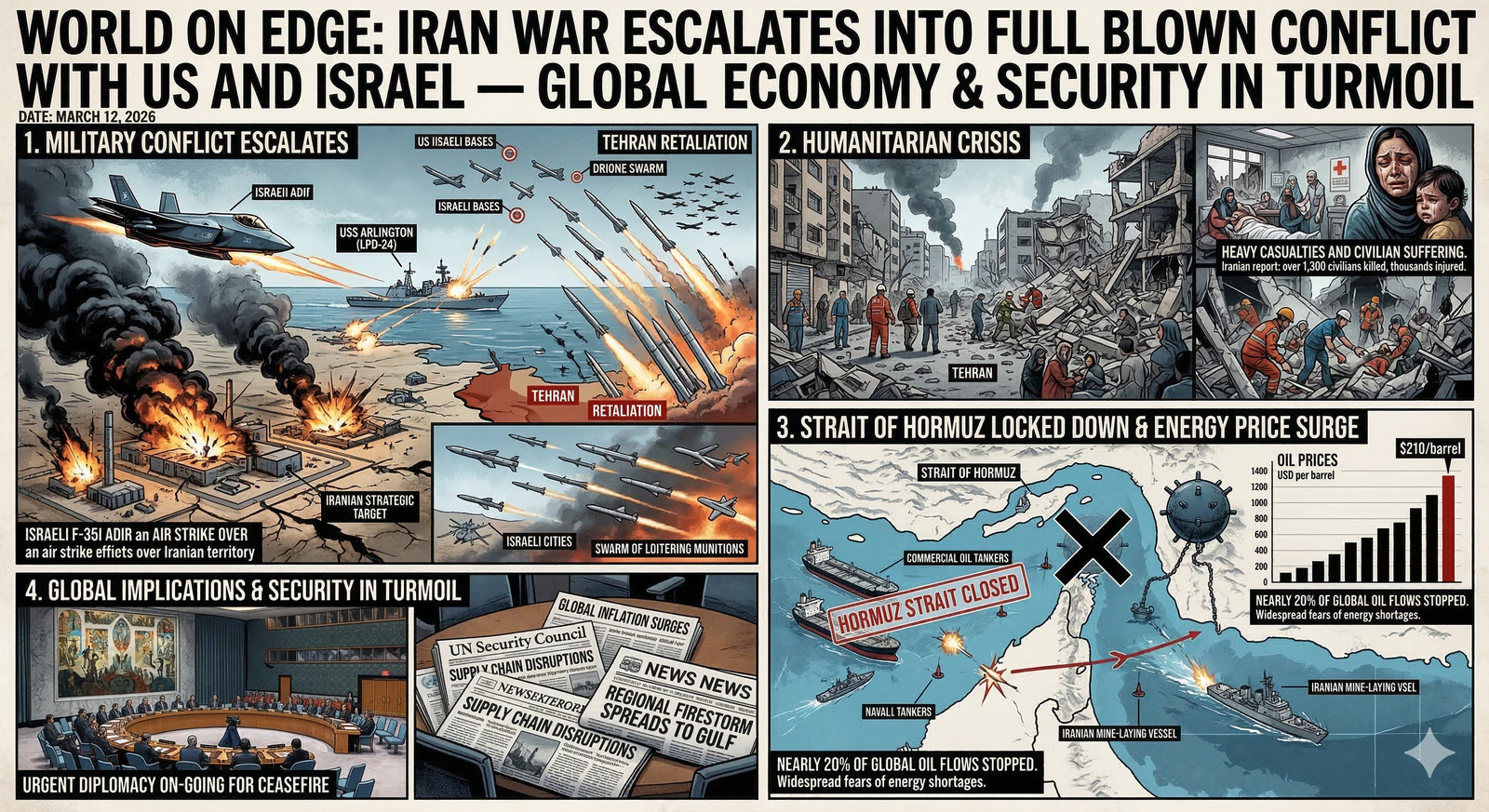
New Delhi, 01/04: The ongoing conflict between the United States, Israel, and Iran has raised concerns over potential disruptions in the Strait of Hormuz, posing a global energy crisis. Around 20% of the world’s crude oil and 25% of LNG (liquefied natural gas) is transported through the Hormuz Strait. Following the energy risks, the world now faces the possibility of an even more severe crisis: if internet cables laid through the Strait of Hormuz are damaged, there is a fear of a global internet outage. Experts note that Hormuz is not only an energy checkpoint but also a digital checkpoint. Any conflict or damage to cables in this area could trigger significant internet blackouts.
Nearly 95–97% of the world’s data is transferred via fiber-optic cables, which are laid on the ocean floor. Major cables connecting India to Europe, Africa, and West Asia pass through this route. This includes large cable systems like SEA-ME-WE, AAE-1, and EIG. India’s digital economy is highly dependent on these submarine routes. Most of India’s international internet bandwidth flows through the Arabian Sea and surrounding areas. If these cables are damaged, traffic would need to be diverted through longer “Pacific routes,” increasing latency (data transmission time). Internet speed would decrease, and buffering issues may arise on various apps and platforms.
India’s IT and outsourcing sector is worth approximately ₹23.48 lakh crore. Real-time connectivity with clients in the US and Europe relies heavily on these low-latency networks. Damage to cables could cause significant financial losses for companies, affect service contracts, and lead to penalties. In addition, remittances and global banking transactions, such as SWIFT transfers from neighboring countries to India, could slow down.
The internet is designed to reroute traffic if a particular route is blocked, reducing the likelihood of a total global internet blackout. However, rerouting increases the load on alternative routes, which slows down internet speeds. In sectors like the stock market, where high-speed internet is critical, this slowdown could lead to substantial economic losses. Considering this, India is exploring alternative options.
There is also discussion about deploying satellite internet services, like Elon Musk’s Starlink, which can bypass sensitive areas and provide connectivity in case submarine cables are disrupted.