
NEET 2026 Scandal: Indian Governing system fails yet another set of citizens
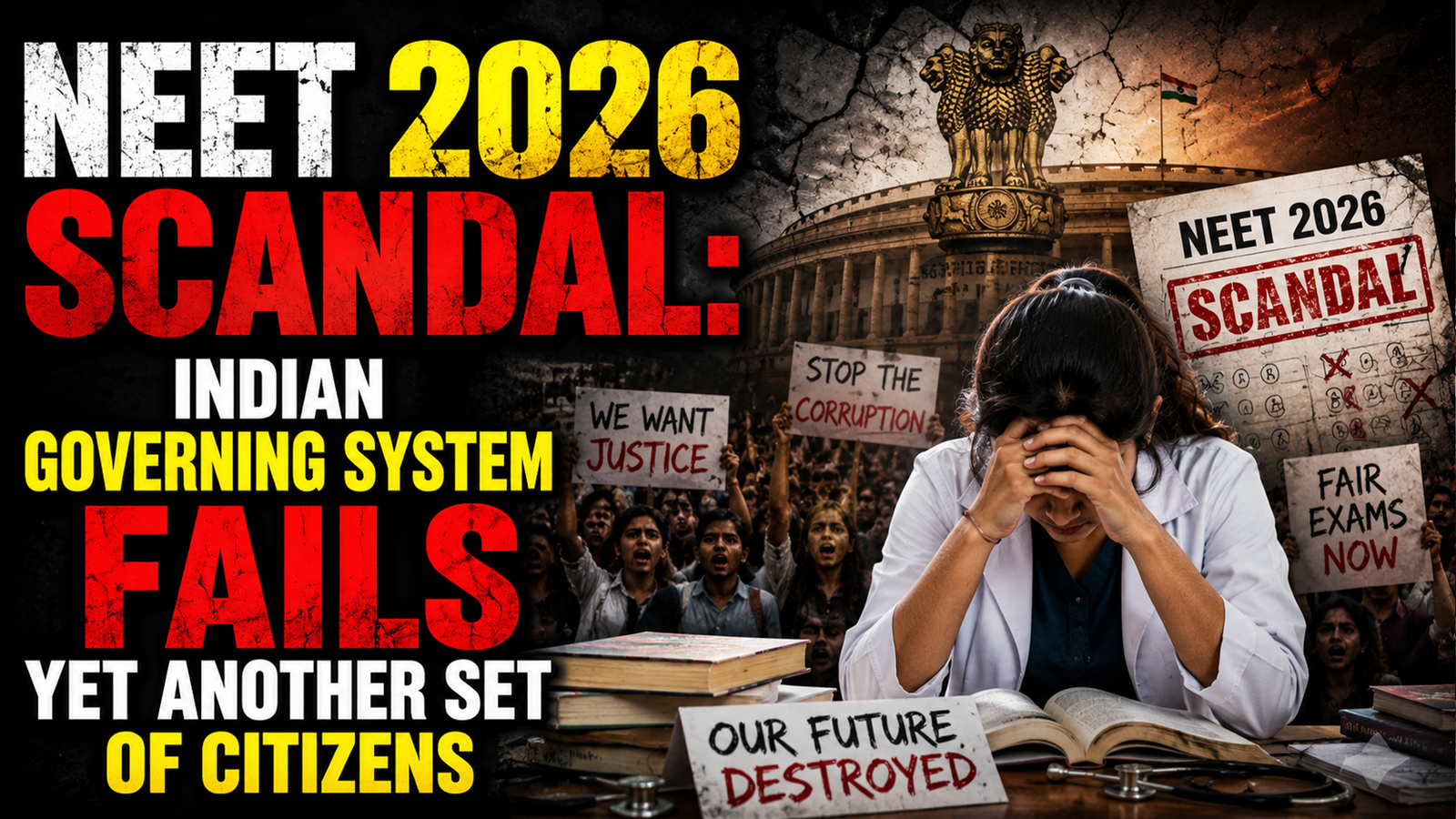
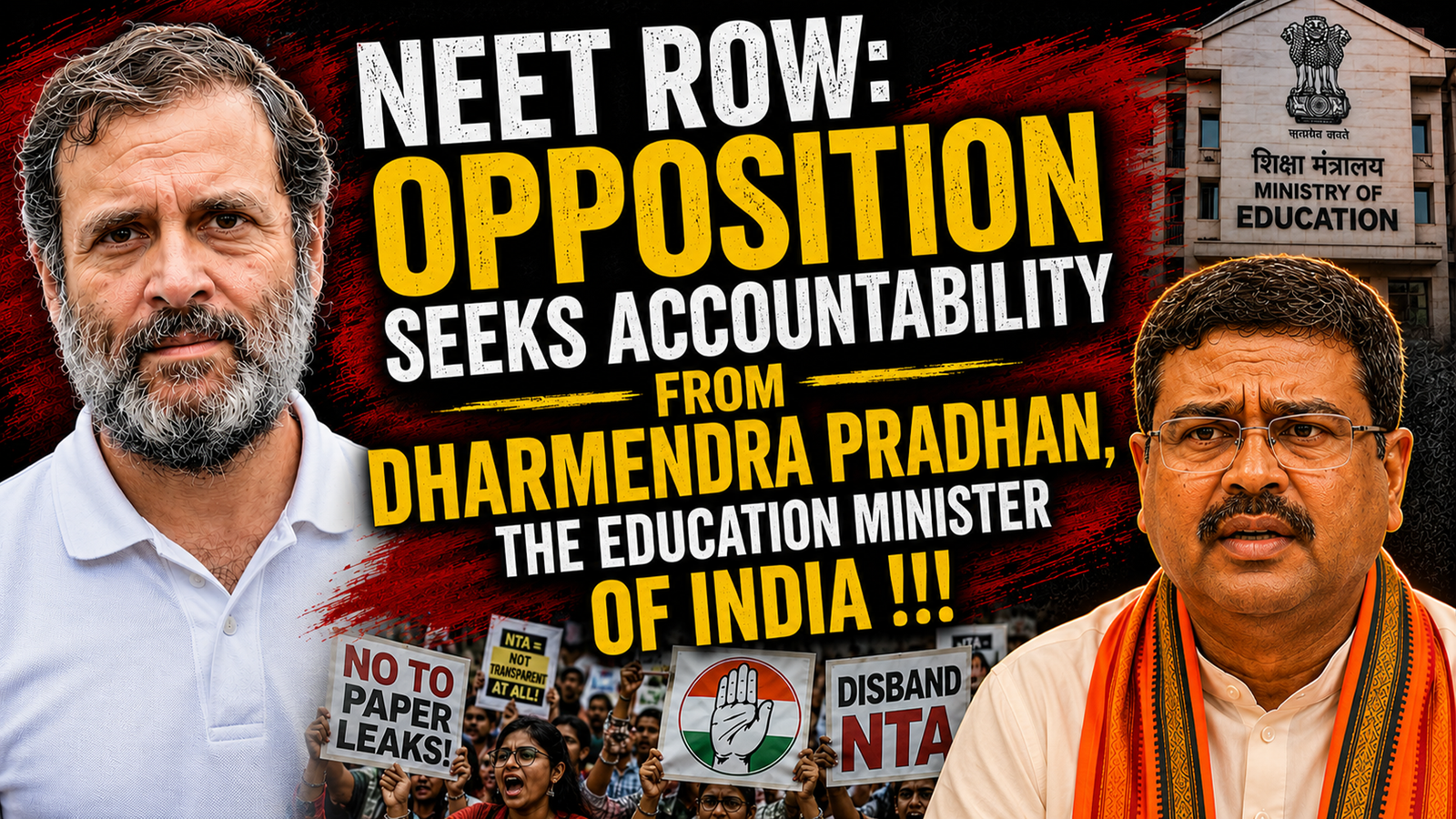
The National Testing Agency (NTA) officially announced June 21, 2026, as the new date for the NEET-UG re-examination on Friday. This came after the cancellation of the earlier exam due to the allegations of a paper leak. What should have ideally been a simple, straightforward medical entrance examination, has now turned into one of the biggest controversies in the education sector in recent years. This has left lakhs of students trapped in uncertainty, frustration, and mental exhaustion. The entire scenario raises a very probing question. If the system was so secure and credible, why was there a need for re-examination in the first place? For the huge number of students preparing for NEET, this scandal is beyond just an exam getting postponed or repeated. It is also about their trusts being broken. NEET is one of India’s most competitive entrance examinations, taken by students who spend years preparing under immense pressure. Aspirants sacrifice sleep, social life, and mental peace in pursuit of securing a medical seat. Families invest their life savings into coaching institutes, hostel expenses, books, and tuition fees. For many-a-homes, NEET is seen as the path to a stable and financially secured future. And that is exactly what the ongoing controversy has shaken. Reports which suggested that portions of the question paper were circulated before the examination, spread outrage across the country. The case intensified further after investigations kept pointing towards organized leak networks operating across multiple states. The fact that the exam had to be cancelled and rescheduled gave way to strengthen public suspicion that serious lapses had indeed occurred. Union Education Minister Dharmendra Pradhan recently stated that there would be “zero tolerance” toward malpractice and announced plans to shift NEET to a computer-based format in the future. Yet, students and parents continue to ask one uncomfortable yet necessary question - Why were these practices not adopted earlier, despite previous controversies and repeated signs? Well, can they be blamed? The NEET issue is no longer just about a paper leak. It has become a reflection of the growing failure of India’s examination system. Over the last few years, multiple entrance and recruitment examinations across the country have faced allegations of leaks, technical glitches, corruption, and administrative negligence. Instead of isolated incidents, these scandals now appear to be part of a larger systemic problem. The National Testing Agency, which was established to conduct transparent and efficient examinations, now faces intense criticism regarding its functioning and preparedness. If an organization responsible for handling examinations involving millions of students cannot ensure the confidentiality of question papers, then serious concerns regarding competence and accountability naturally arise. Furthermore, the controversy also sheds light on the deeper weaknesses within the education system itself. In India, examinations like NEED carry enormous weight because a single score often determines the future of a student. Such a system creates extreme competition. This makes the examinations vulnerable to corruption, exploitation, and organized malpractice. At the same time, the commercialization of education has worsened the situation. The rise of expensive coaching centres and alleged paper leak rackets reflects how deeply profit and corruption have entered the academic ecosystem. Reports claiming that leaked papers or “guess papers” were sold for lakhs of rupees reveal a disturbing reality; that merit can be undermined when money and influence enter the system. Unfortunate but true, it is honest students who suffer the most! The government cannot afford to dismiss this issue as merely an “unfortunate incident.” The decision to conduct a re-examination is itself proof that the integrity of the original examination was compromised. This raises difficult questions for the authorities. How did confidential question papers allegedly circulate before the exam despite strict security claims? Were there failures in digital monitoring systems? And most importantly, who will be held accountable for the mental, financial, and emotional damage caused to students? Public anger has grown because the government’s response appears reactive rather than preventive. Committees are often formed after controversies erupt, but structural reforms rarely arrive before damage is done. Repeated scandals indicate that the problem lies deeper than individual arrests or isolated leaks. Without serious reforms and strict accountability, the credibility of national examinations will continue to weaken.