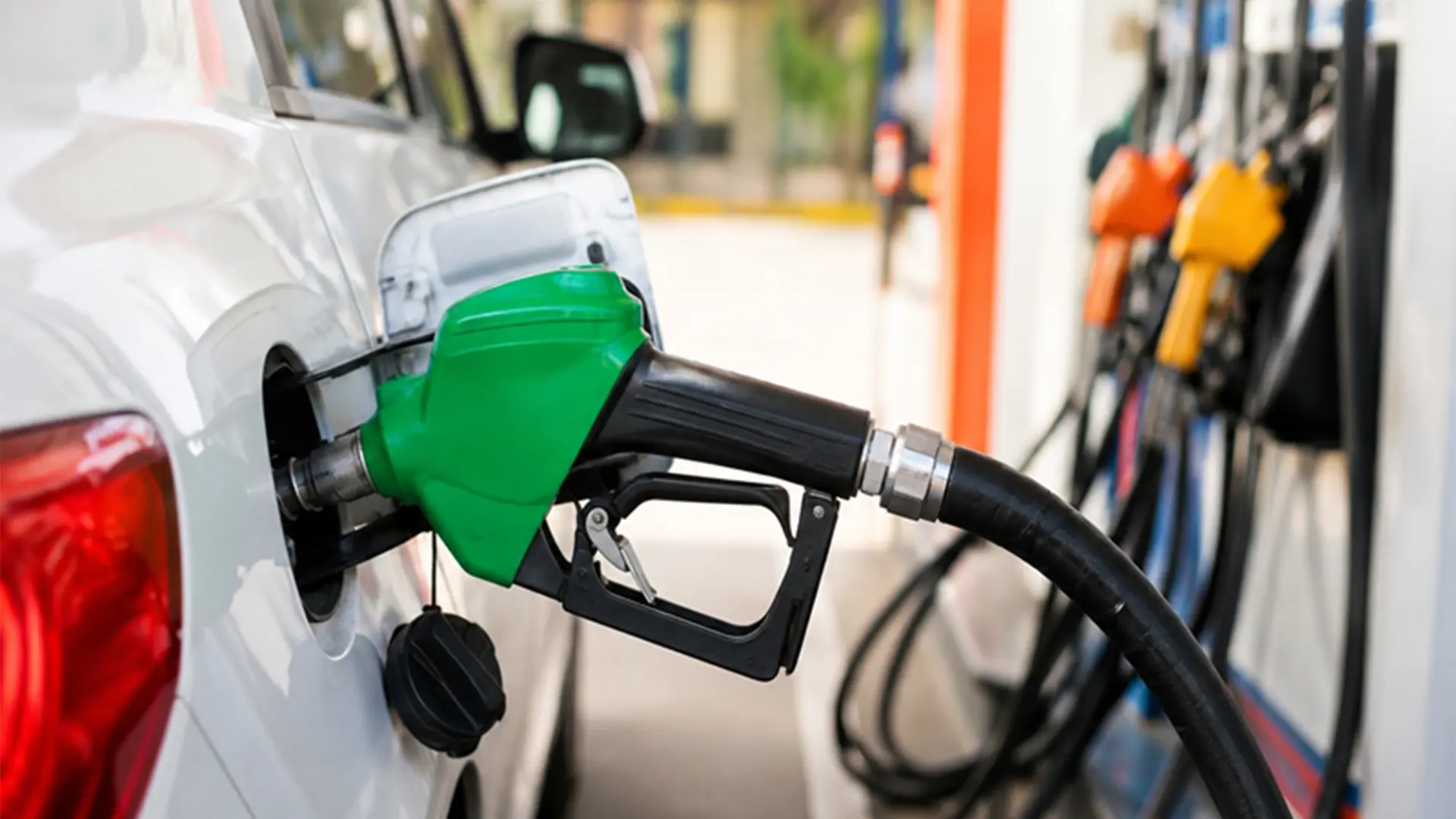
New Delhi, July 22 (newsalert24x7): Clarifying growing public debates around India's ethanol-blended fuel roadmap, the Central Government on Wednesday informed Parliament that while E20 petrol (20% ethanol blended with 80% petrol) may cause a minor drop in fuel efficiency for older vehicles, there is no verified evidence linking it to widespread engine damage or mechanical breakdowns.
Responding to queries in the Rajya Sabha, Minister of State for Petroleum and Natural Gas Suresh Gopi confirmed that any drop in mileage experienced by older vehicles originally manufactured for E10 fuel is marginal, typically restricted to around 3 to 5 percent.
Key Takeaways from the Ministry's Statement
The Ministry outlined that fuel economy is influenced by various real-world operational parameters, rather than solely the ethanol concentration in the tank:
- Variables at Play: Driving habits, overall vehicle maintenance, tyre pressure, wheel alignment, and heavy air-conditioning usage play a significant role in overall fuel consumption.
- Performance Upsides: The Minister noted that despite the slight efficiency trade-off in older engines, E20 petrol delivers notable mechanical advantages, including a higher octane rating, superior anti-knock performance, cleaner combustion, and smoother acceleration.
Nitin Gadkari Slams 'Paid Campaigns'
The government's parliamentary response aligns with recent strong remarks made by Union Road Transport and Highways Minister Nitin Gadkari.
Speaking at the Viksit Bharat Conclave earlier this month, Gadkari firmly dismissed critics of the E20 rollout, calling claims of severe engine corrosion and widespread failures baseless:
"There is no case of any car facing issues due to E20 petrol in the country. Just name one," Gadkari had challenged. "...False narratives are being spread about the rollout of higher ethanol-blended petrol. These are paid campaigns."
With India rapidly accelerating toward its green mobility goals and agricultural-based ethanol blending targets, the Centre reiterated that modern vehicles manufactured after 2023 are fully E20-compliant, while older vehicles can continue running on the blended fuel without structural engine risks.
For real-time policy updates, auto sector news, and national coverage, keep refreshing newsalert24x7.