Global Temperatures May Stay Near Record Highs Through 2030, Warns WMO Report
11 Jun 2026, 05:24 PM
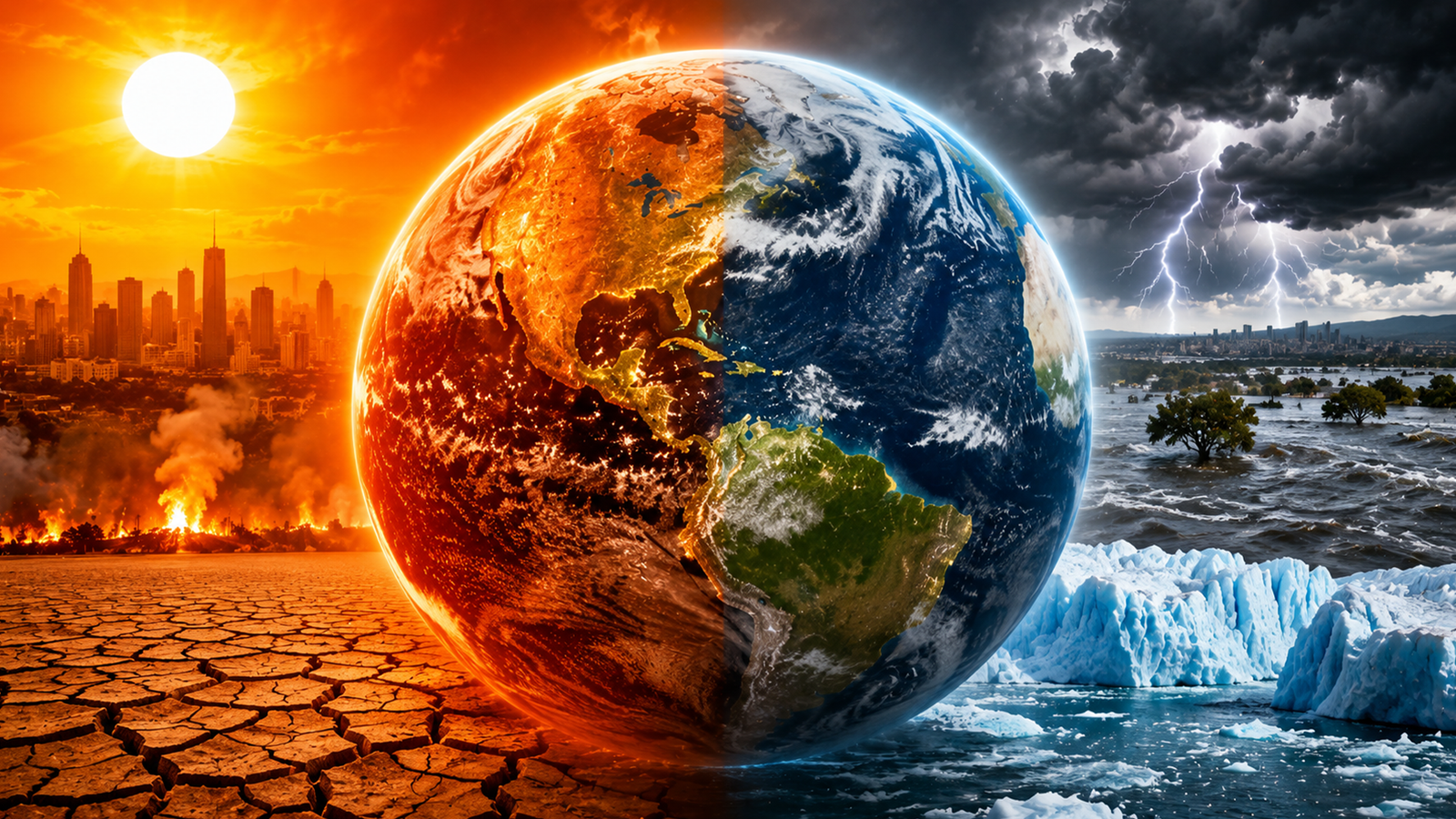
Geneva: Global temperatures are expected to remain at or close to record-breaking levels over the next five years, while the Arctic region is projected to continue warming much faster than the rest of the world, according to a new report by the World Meteorological Organization (WMO).
The findings come from the WMO’s Global Annual to Decadal Climate Update 2026–2035, developed in collaboration with the UK Met Office and supported by climate forecasts from 13 international institutions.
The report estimates that global average near-surface temperatures between 2026 and 2030 could range from 1.3°C to 1.9°C above pre-industrial levels recorded during 1850-1900. Scientists say there is a strong possibility that one of these years could overtake 2024 as the hottest year ever recorded.
Researchers also noted that the overall global average temperature during the 2026-2030 period is likely to exceed 1.5°C above pre-industrial levels. However, no individual year in that span is expected to cross the 2°C mark.
The report points to developing El Niño conditions in the tropical Pacific over the coming years, especially during 2027 and 2028. Lead author Leon Hermanson said a predicted El Niño event toward the end of 2026 could raise the chances of 2027 becoming another record-breaking year for global heat.
The WMO clarified that the Paris Agreement’s 1.5°C and 2°C thresholds refer to long-term warming trends measured over decades, not single-year temperature spikes. Short-term breaches are becoming more frequent as global temperatures continue to rise.
One of the report’s most striking findings concerns the Arctic, where temperatures during the next five northern hemisphere winters are forecast to average 2.8°C above the 1991-2020 baseline - more than three times higher than the projected global average warming for the same period.